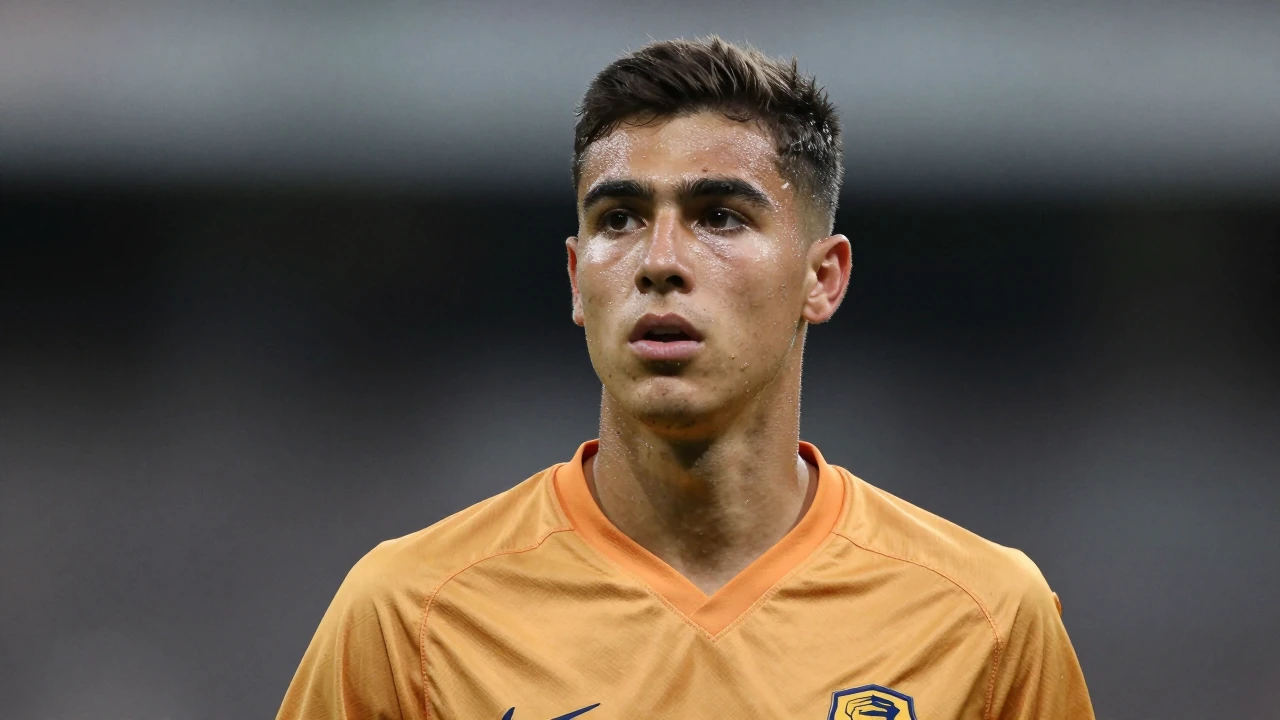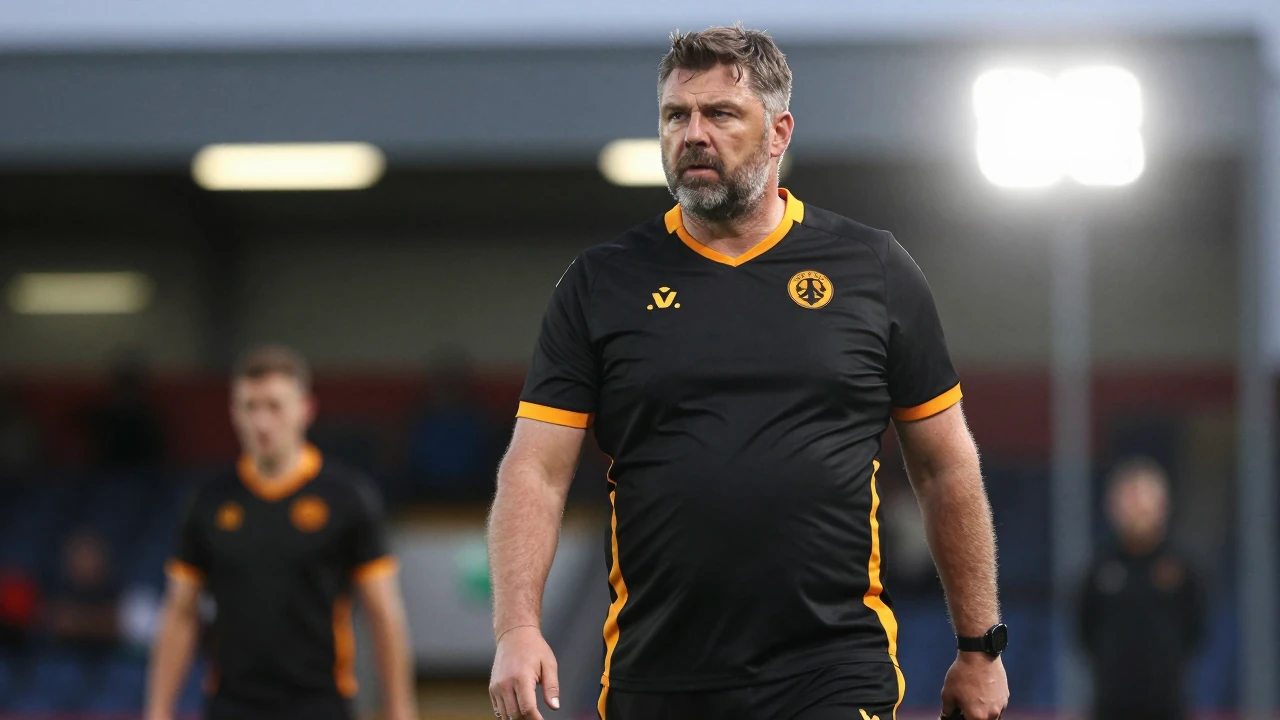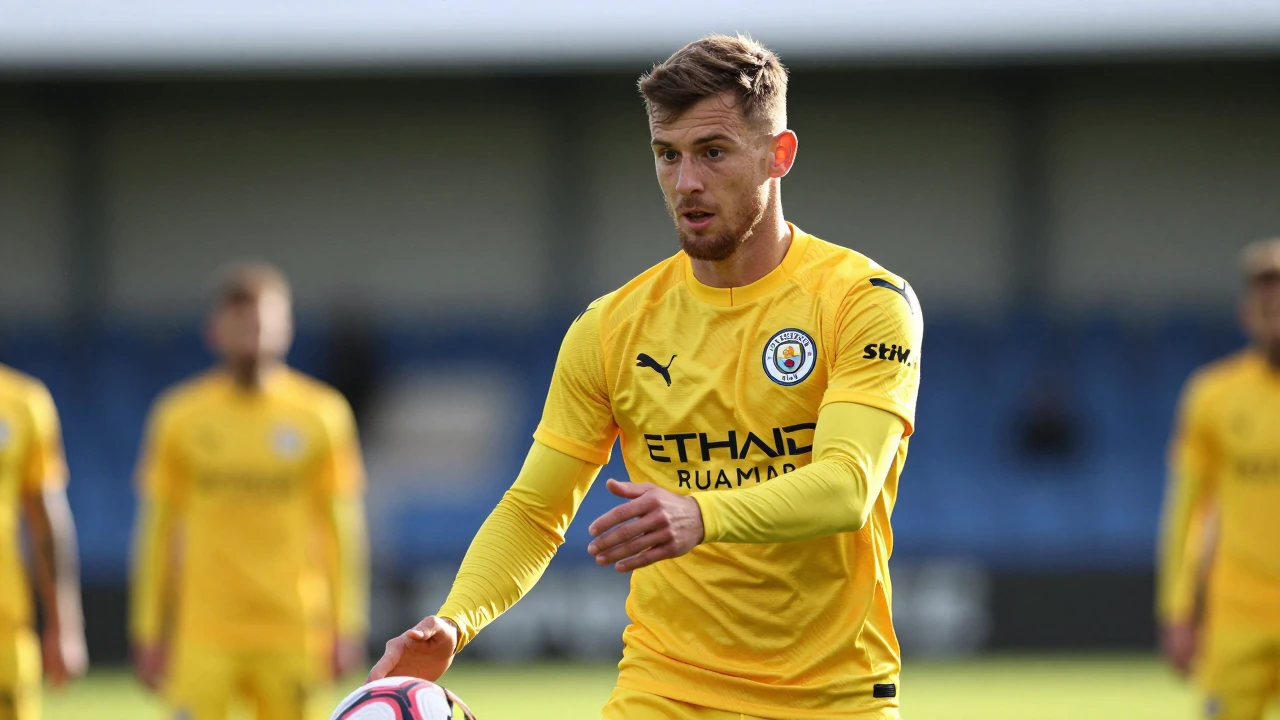
Hull City secured a significant 2-0 Premier League win against Manchester United at the MKM Stadium last weekend. The victory was built on defensive solidity and clinical execution from set-piece situations.
United failed to register a goal, while Hull scored both of theirs from dead-ball scenarios. This result contributes to Hull's strong early-season form, which sees them third in the Premier League with six points from two wins, having scored three goals and conceded none.
Hull City's defensive organization was the foundation for the win. They restricted a Manchester United attack featuring Bryan Mbeumo, Matheus Cunha, and Patrick Dorgu to few clear chances. United manager Michael Carrick's starting front three were largely kept quiet, with Dorgu substituted at halftime for Marcus Rashford. Further changes in the second half, introducing Benjamin Sesko and Shea Lacey, failed to break down a resilient Hull back line.
United's most energetic performer was Bryan Mbeumo, who played the full 90 minutes and registered a game-high 21 sprints. The 27-year-old, who joined United in the summer of 2024 and was their top scorer last season, also managed three shots with two on target. His work rate, however, wasn't matched by end product from his teammates on the day.
Michael Carrick set up his side with an emphasis on width and energy. Full-backs Noussair Mazraoui and Luke Shaw were tasked with providing attacking thrust from deep. Mazraoui, starting at right-back, recorded the second-most sprints among United players in the match and is currently ranked 40th in the Premier League for that metric. Shaw registered 13 sprints, placing him 49th overall.
In midfield, Bruno Fernandes covered the most ground for United, running 11.4 kilometers, but he only made five sprints, ranking him eighth among his teammates and 182nd in the league for that particular effort. Youri Tielemans and the substituted Marcus Rashford each managed nine sprints, while Cunha, who played 80 minutes, registered 11. The data suggests United's pressing and offensive transitions lacked the collective intensity needed to unsettle Hull.
For Hull City, the win is a major confidence booster and solidifies their impressive start. They face a different challenge in their next match, an away trip to face Crystal Palace on November 28th. Palace currently sit 18th in the table. Hull will have to manage their squad carefully, with several players currently sidelined including Charlie Hughes, Darko Gyabi, Jack Butland, and Óscar Zambrano.
Manchester United, meanwhile, must regroup quickly. They had a full week to prepare for their next fixture, a home game against Ipswich Town on Sunday, August 30th. Given the competitive nature of the league, dropping points in that match is not an option for Carrick's side if they aim to keep pace at the top. Fans can track the evolving league picture on our standings page. United's inability to convert possession and pressure into goals against a well-drilled Hull side will be the primary concern addressed in training this week.