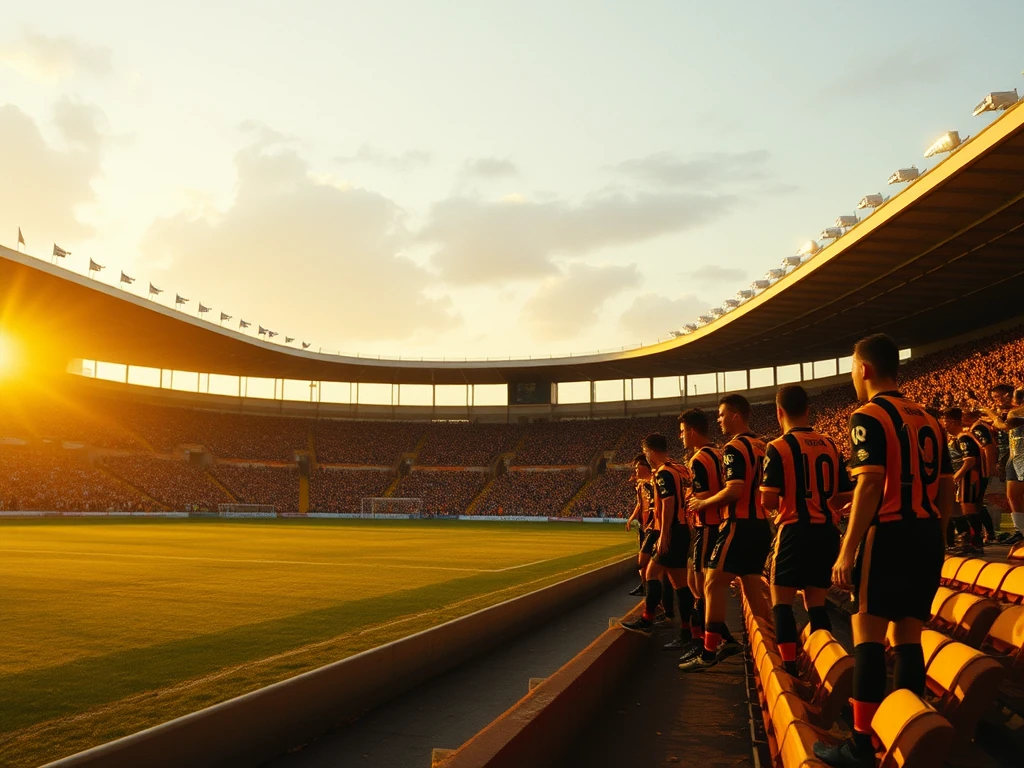
As Hull City fans, we often find ourselves reminiscing about the golden moments that have shaped our beloved club. One such era that stands out is the 1980s, a decade that was not only significant for the Tigers but also key in the evolution of football in Hull.
After facing relegation to the Fourth Division in the late 1970s, the club was in a state of disarray, struggling to find its footing in the lower tiers of English football. However, the arrival of manager Brian Horton in 1982 marked the beginning of a new chapter. Horton, a former player with a keen tactical mind, injected fresh life into the squad, leading to an impressive turnaround that would see Hull City rise through the ranks.
One of the defining moments of this revival came in the 1983-84 season when Hull City finished second in the Fourth Division, securing promotion to the Third Division. This achievement was underpinned by a blend of youthful talent and seasoned experience, including the likes of Mark Hateley, whose prowess in front of goal was instrumental in the club’s success. Hateley, who would later go on to have a notable career in football, was a beacon of hope for the Tigers during this challenging period.
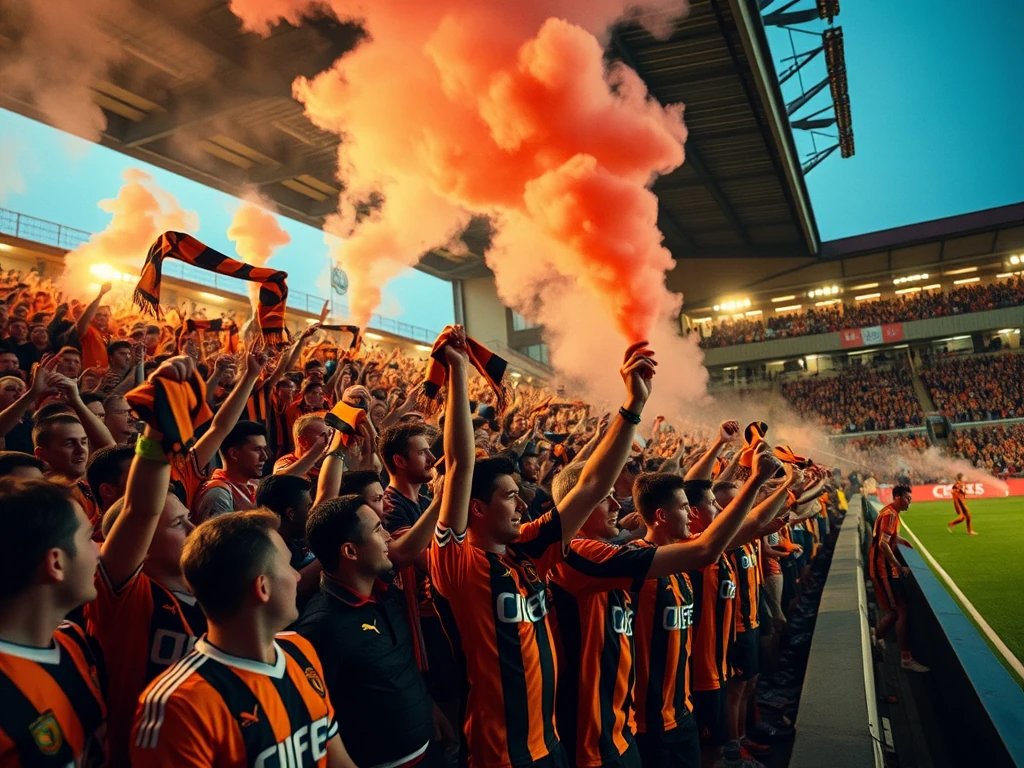
The following season proved equally significant as Hull City continued to build momentum, finishing mid-table in the Third Division. This success was not merely a flash in the pan; it laid the foundation for a more ambitious project. Fans were beginning to believe once again, filling the stands at Boothferry Park and creating an atmosphere that echoed the club's storied past.
Another highlight of the decade was the memorable FA Cup run in the 1986-87 season, where the Tigers reached the Fourth Round. Although they were eventually knocked out by Newcastle United, the journey to this stage reignited the passion of the supporters and showed the potential that lay within the squad.
As the decade progressed, Hull City continued to attract attention, culminating in the club's promotion to the Second Division in 1985. This was a monumental achievement that not only brought joy to the fans but also solidified the club's status as a formidable force in English football. The team, which now featured a mix of local talent and strategic signings, began to establish a reputation for playing attractive, attacking football.
By the end of the 1980s, Hull City had transformed from a club on the brink of obscurity to one that was once again competing at higher levels. This revival set the stage for future successes, including the eventual rise to the Premier League in the 2000s. The 1980s were not only a period of survival; they were a time of ambition, teamwork, and the unwavering support of the Tigers’ faithful.
As we look back on this defining decade, it’s clear that the seeds of success planted in the 1980s have continued to influence Hull City to this day. The resilience and spirit of those who wore the black and amber during this major era remain a source of inspiration for current and future generations of Tigers supporters.