
Hull City's 1970s Revival: The Dawn of a New Era
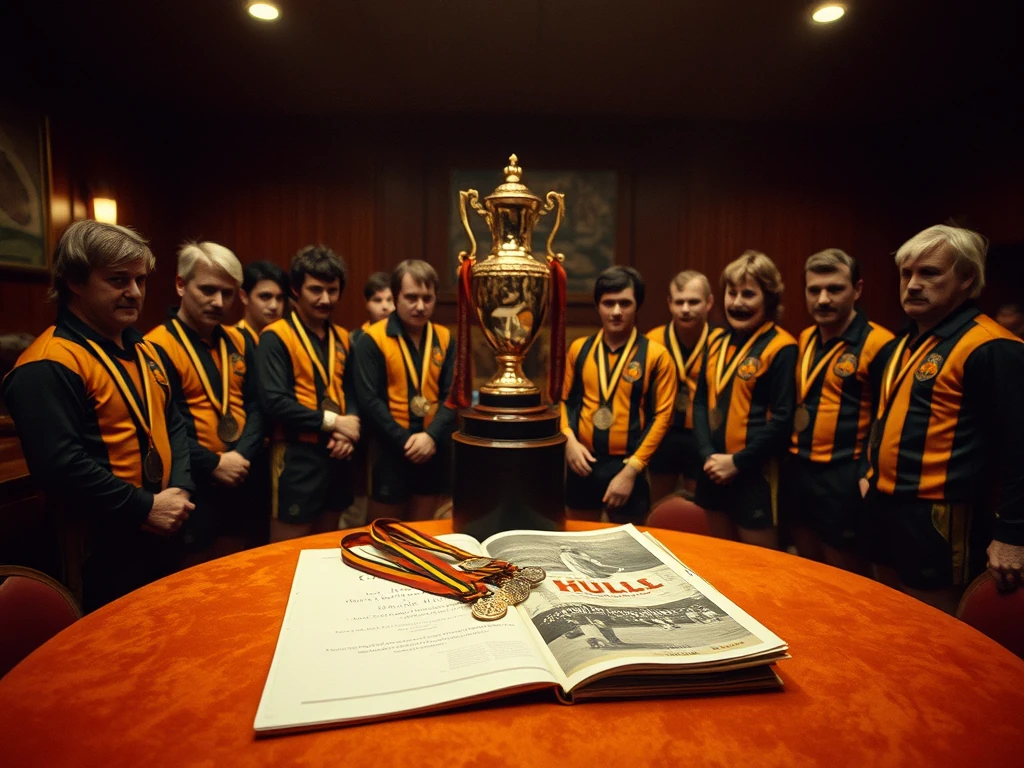
During the 1970s, Hull City underwent a remarkable transformation that would lay the groundwork for the club’s future successes. Following a tumultuous period that saw them relegated from the Second Division in the late 1960s, the club began to rise from the ashes, driven by a renewed sense of purpose and ambition.
The arrival of manager Tommy Doherty in 1972 proved key. Known for his no-nonsense approach and tactical acumen, Doherty aimed to reshape the club’s fortunes. He focused not only on results, but on instilling confidence and a competitive spirit among the players. Under his stewardship, The Tigers began to attract attention, with a blend of experienced players and promising talents.
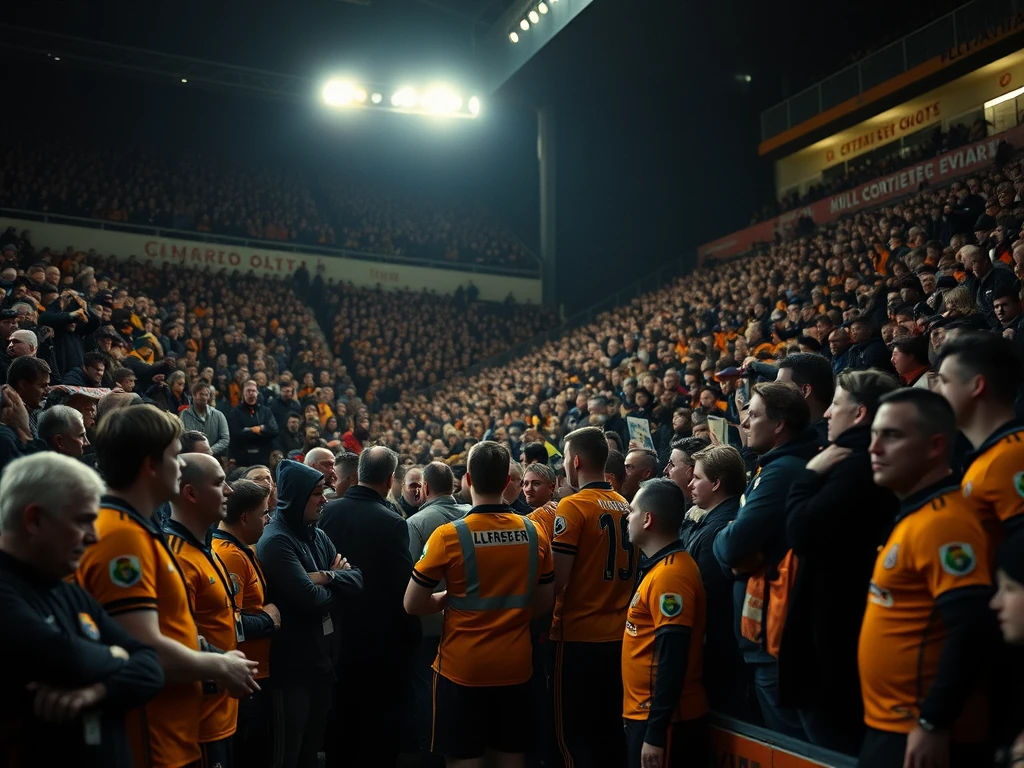
A notable highlight of this era came in the 1974-75 season when Hull City made a significant push towards promotion from the Third Division. The club's home ground, Boothferry Park, became a fortress where fans rallied behind their team with unparalleled passion. Attendance numbers soared. Matches were often packed with fervent supporters, creating an electric atmosphere that could propel the players forward.
As the team began to find its rhythm, standout performances from key players such as Chris Chilton and Ian Butler became the talk of the town. Chilton, a prolific striker, was a key figure, leading the line and consistently finding the back of the net. His partnership with Butler, alongside the emerging talents in the squad, formed the backbone of a resilient side that began to challenge for promotion.
Hull City’s fortunes continued to rise, and by the end of the decade, they had secured promotion to the Second Division in 1979. This achievement was not only a sign of the players' hard work, but also a reflection of the passionate support from the city of Hull, which had rallied behind the team during its darkest days. Fans had endured the lows of relegation and the struggle to rebuild, and now, the prospect of competing at a higher level invigorated the local community.
The 1970s were not only about results on the pitch; they were about the birth of a club identity that would resonate through the decades. The Tigers’ revival sparked a sense of pride among supporters, fostering a belief that the club could compete against the best in the country. This era paved the way for future successes and endeared the team to a generation of fans who would carry the torch for Hull City through thick and thin.
In retrospect, the 1970s stand as a key chapter in Hull City’s history. As we celebrate this period, it reminds us of the resilience and spirit that defines Hull City and its supporters. The lessons learned and the foundations laid during this time continue to influence the club's ethos today, ensuring that the roar of the Tigers remains as fierce as ever.